
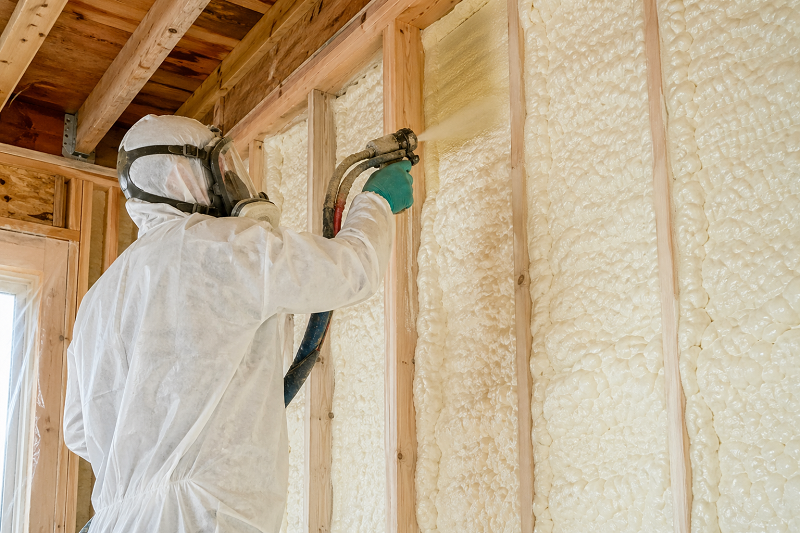
There's a moment usually in the middle of January, when the cold sneaks in through the walls and your heating bill arrives — when you finally decide enough is enough. You start researching insulation options, and within minutes, spray foam insulation appears everywhere. It sounds like the perfect solution. And honestly? It often is.
But here's the thing nobody tells you upfront: spray foam insulation is not a one-size-fits-all fix. Getting it wrong — wrong contractor, wrong type, wrong timing — can cost you thousands more than you planned. And in South Dakota's extreme climate, where winters are brutal and summers aren't exactly forgiving either, those mistakes hit harder.
I've spoken with homeowners across SD who wished they'd known a few key things before signing that contract. Here's everything they learned the hard way, so you don't have to.
7 Things You Should Know Before Scheduling Your Installation
1. Open-Cell and Closed-Cell Are Not the Same Thing
This is the first question any good contractor should ask you — and if they don't, that's already a red flag. Open-cell foam is softer, more flexible, and better for soundproofing interior walls. Closed-cell foam is denser, moisture-resistant, and delivers a much higher R-value per inch — typically R-6 to R-7.
For SD homes dealing with freezing temperatures and potential moisture issues in basements or crawl spaces, closed-cell is usually the stronger choice. But your specific home layout and budget both matter here.
2. R-Value Requirements in South Dakota Are Higher Than You Think
South Dakota falls in Climate Zone 6 and parts of Zone 7. The U.S. Department of Energy recommends attic insulation of R-49 to R-60 for this region. Many homeowners assume a standard spray foam job covers this — it doesn't always, especially if the contractor underapplies the foam to cut costs.
Always ask your contractor to confirm the target R-value before work begins and request documentation after the job is done.
3. The Contractor's Experience Matters More Than the Price
Getting three quotes feels responsible. But choosing the cheapest option without verifying credentials can leave you with foam that was applied too thin, in wrong temperatures, or with improper mixing ratios — all of which cause serious long-term problems like off-gassing, poor adhesion, or shrinkage.
Look for contractors who are certified by the Spray Polyurethane Foam Alliance (SPFA) or carry relevant state licensing in South Dakota. Ask to see past projects. Ask how many years they've been specifically doing spray foam — not just general insulation.
4. Temperature and Humidity Affect the Installation Quality
This one surprises most people. Spray foam has to be applied within a specific temperature range — typically between 60°F and 90°F for both the substrate and the chemicals. In SD, spring and fall installations can be tricky if temperatures swing drastically overnight.
A good contractor will check conditions before starting and won't rush a job just because the schedule says so. If yours seems indifferent to weather conditions, that's a problem worth addressing before work starts.
5. Your Home Needs Time to Breathe After Application
After spray foam is applied, your home needs proper ventilation for at least 24 hours — sometimes longer depending on the product and space size. During curing, the foam releases isocyanates, which can irritate your respiratory system if you're exposed too early.
Plan to stay somewhere else for at least one full day. Make sure your contractor gives you a clear re-entry timeframe in writing, not just a verbal "should be fine by morning."
6. Spray Foam Can Affect Your Home's Resale Value — Both Ways
Done correctly, spray foam insulation adds measurable value to your home. Energy-efficient homes sell faster and often at a premium in today's market. However, improperly installed spray foam — especially in attics or roof decks — can actually complicate future home sales. Buyers and inspectors sometimes flag old, discolored, or shrinking foam as a liability.
Keep your installation records, warranties, and contractor documentation. Future buyers will want them, and having that paperwork makes the conversation much easier.
7. Spray Foam Is Not Always the Right Fit for Every Space
This is what honest contractors will tell you, and it matters. Some older SD homes have structures where spray foam application could trap moisture or create ventilation issues that didn't exist before. Certain historic homes require vapor-permeable insulation to function properly.
A trustworthy contractor will walk through your home, evaluate your existing ventilation, and tell you if spray foam is genuinely the best option — or if a hybrid approach (spray foam combined with batts or rigid board) makes more sense for your situation.
Final Thoughts
Spray foam insulation is one of the smartest upgrades a South Dakota homeowner can make. The energy savings are real, the comfort improvement is immediate, and when done right, it lasts for decades without much maintenance. But "done right" starts with being informed before anyone shows up with equipment.
Ask questions. Verify credentials. Understand what you're paying for and why. The seven things listed here aren't meant to scare you off — they're meant to give you the confidence to walk into that contractor conversation knowing exactly what a quality job looks like.
Your home deserves that level of care. So do your energy bills.